Recovery is more than healing an injury—it’s a complete mindset shift. It challenges your patience, tests your resilience, and forces you to redefine what progress looks like.
At 37 years old, with over 10 years of CrossFit experience and now coaching both CrossFit and HYROX, I thought I understood hard work. But after suffering a torn ACL, meniscus tear, and MCL injury during a weightlifting competition last year, I quickly realized that recovery would be the toughest challenge of my athletic career.
Today, almost one year later, I’ve learned that recovery isn’t about getting back to where you were—it’s about becoming stronger in ways you never expected.
Here are the five biggest lessons from my road to recovery:
The hardest part wasn’t the physical pain—it was accepting that I couldn’t do the things I once took for granted.
As athletes, we often define ourselves by performance. When that is taken away, it can feel like losing a part of your identity.
Accept reality: Progress begins when you stop comparing yourself to your old self.
Focus on what you can do: Every stage of recovery has opportunities for growth.
Trust the process: Healing doesn’t happen overnight.
Before my injury, success meant heavier lifts, faster times, and competition results.
During recovery, success became much simpler.
Walking without pain.
Regaining knee mobility.
Completing a rehab session.
Taking my first confident run.
The lesson: Never underestimate small victories. They are the building blocks of every comeback.
In CrossFit and HYROX, we’re taught to push harder and move faster.
Recovery taught me the opposite.
Some days required effort.
Some days required rest.
Both were equally important.
Listen to your body: Recovery isn’t a race.
Respect the timeline: Healing follows its own schedule.
Play the long game: The goal is sustainable progress, not quick fixes.
As a coach, I’ve helped countless athletes through challenges. But experiencing a major injury myself gave me a completely different perspective.
I now better understand:
The frustration of setbacks.
The fear of losing fitness.
The mental battle of starting over.
The importance of encouragement during difficult moments.
The experience didn’t just make me a better athlete—it made me a better coach.
Before the injury, I believed strength was measured by the weight on the barbell.
Recovery taught me that true strength looks different.
It’s showing up for rehab when motivation is low.
It’s staying positive when progress feels slow.
It’s trusting the process when the finish line feels far away.
Physical strength may have brought me to the competition floor, but mental strength carried me through recovery.
One year ago, a torn ACL, meniscus tear, and MCL injury stopped me in my tracks. It forced me to slow down, reassess, and rebuild from the ground up.
Today, I’m still coaching. I’m still training. And I’m still moving forward.
Recovery didn’t just heal my knee—it taught me patience, gratitude, resilience, and a deeper appreciation for movement itself.
The journey isn’t over, but I’ve learned that setbacks don’t define us. How we respond to them does.
Sometimes the strongest version of yourself isn’t the one who never falls—it’s the one who refuses to stop getting back up.
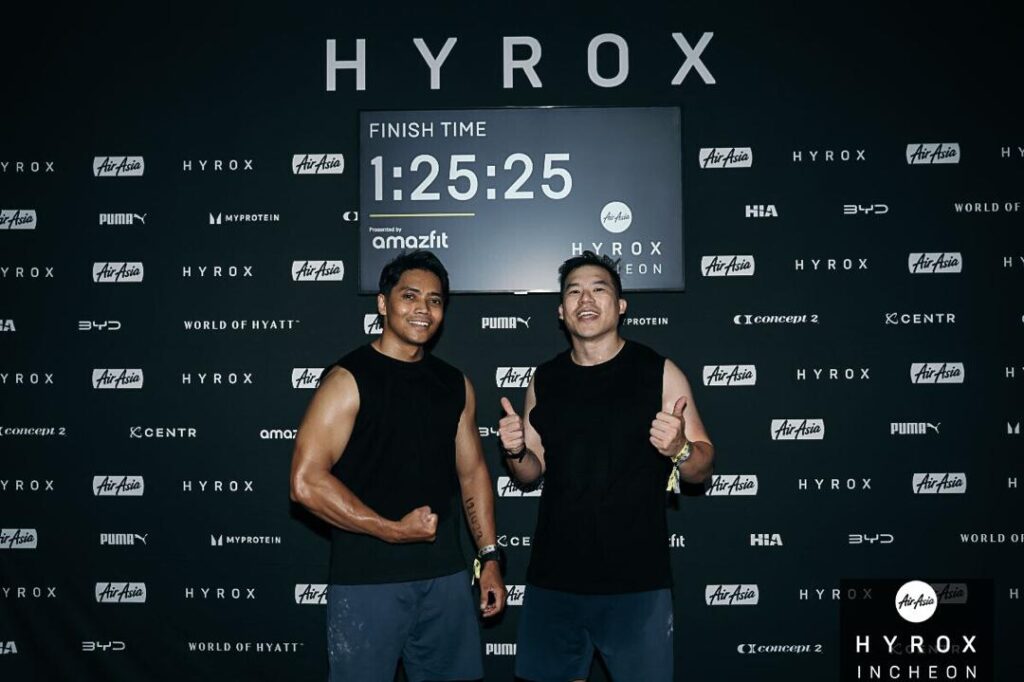
Shahril Akbal
Senior Coach